Introduction
With the rising costs of electrical energy, growing environmental consciousness, and the concept of sustainable living, many individuals are now searching for alternative ways to produce electricity for their homes and businesses. Solar energy is one alternative that has become increasingly popular recently. Solar power solutions have changed the way we create and consume electricity, right from the roofs of our houses to commercial buildings and agricultural fields.
Solar energy converts the energy present in sunlight into electricity as compared to other sources of energy like coal, petroleum, and natural gas. One of the most consistent forms of renewable energy, solar energy uses an energy source that is free of cost and renewed every day. Because of technological advancements and provision of government incentives, quite a number of households and industries in India have been adopting solar energy.
But what is solar energy? What exactly is it all about? This section provides an answer to that question.
Understanding Solar Energy
Definition of Solar Energy
Solar energy is energy obtained from the sun's rays that have been transformed into either electrical power or heat. The sun is constantly providing large amounts of energy, which can be harvested by modern solar energy technology for daily use.
This mainly consists of solar photovoltaic cells, which utilize sunlight to provide us with electrical energy. Solar energy is one of the most dependable sources of alternative energy due to its natural availability.
Why Solar Energy Is Important
The world’s energy demand is increasing. Yet common fossil fuels are limited in supply and a big polluter and cause of climate change. Here, solar and other renewable sources become critical.
Solar power helps:
Cut fossil fuels
Lower greenhouse gas emissions
Encourage sustainable development
Lower electricity costs over the long term
Support cleaner, healthier neighbourhoods
Countries are looking towards cleaner energy goals and solar power is becoming an important part of the global energy transition.
The Science of Solar Power
How Sunlight Is Turned Into Electricity
Solar energy is basically the conversion of sunlight into usable power.
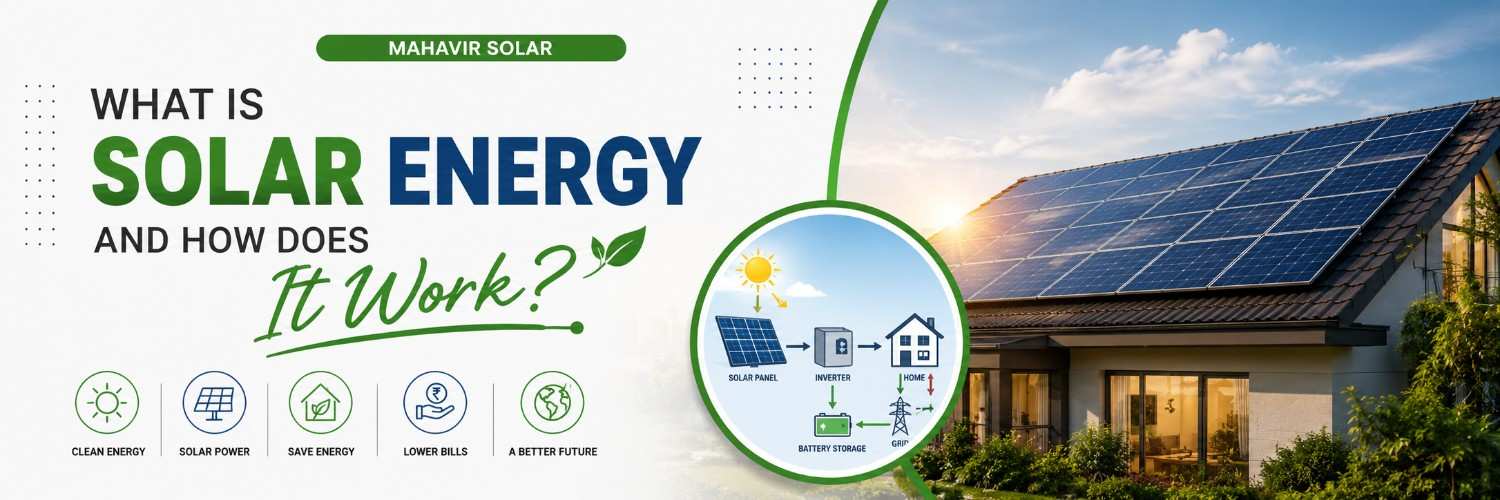
When sunlight strikes a solar panel, the solar cells in the panel absorb photons from the sunlight. The photons knock electrons loose creating direct current, or DC, electricity. This is called the photo-voltaic effect.
Then the electricity can be used to power appliances, stored in batteries or fed into the electricity grid.
The Role of Solar Cells
The solar cells are the core of any solar energy system. They’re made from a semiconductor material, usually silicon, that reacts to sunlight.
When sunlight hits the solar cells:
The photons of the sunlight are absorbed.
The electrons are energized.
There is an electric current in motion.
DC electricity is produced.
Solar panels are created by connecting many solar cells together, so that they can efficiently produce solar power on a larger scale.
Key Components of a Solar Energy System
A complete solar power system consists of several key components that all work in conjunction.
Solar Panels
Solar panels take sunlight and turn it into DC electricity. These panels are put on rooftops or open spaces that have maximum sun exposure.
Main functions:
Sunlight absorption
Power generation
Quiet operation
Needs little maintenance
Solar Inverter
Solar panels generate electricity in the form of direct current (DC). However, most household appliances use alternating current (AC).
The inverter converts the DC power to AC power so that it can be used for your daily use. It also tracks system performance and efficiency.
Storage of Solar Battery
Many modern systems include solar battery storage to store the excess electricity generated during the day.
Advantages:
Backup power for power failures
Better use of the electricity produced
Reduced dependence on the grid
Grid Connection
Grid connected solar systems facilitate the user to export excess electricity in the utility network through net metering.
Benefits of grid connection:
Lower electricity bills
Better energy efficiency
Better return on investment
Types of Solar Energy Systems
Depending on your energy needs and location, there are different types of solar systems available.
Solar on grid systems
On-grid systems are directly connected to the utility grid.
Pros:
Lower cost of installation
Benefits of Net Metering
High efficiency
Best suited for homes and businesses with reliable grid access.
Off-Grid Solar Systems
Off-grid systems function independently and do not require utility grid support.
Pros:
Complete power independence
Ideal for isolated locations
Dependable in areas with power cuts
Hybrid Solar Systems
Hybrid systems have battery storage + grid connection.
Advantages:
Backup during outage
Better energy management
Greater flexibility
They provide the advantages of on-grid and off-grid systems.
Benefits of Solar Energy
Cut your electricity bills
One of the main reasons why many choose solar energy is because it allows one to save quite a bit of money in the form of electricity bills.
Based on usage trends and sizes of systems, one will be able to significantly lower their electric bill.
Environmentally Friendly Power
Solar is a type of green energy, producing electricity without damaging emissions.
Environmental benefits are:
Less air pollution
Reduced greenhouse gas emissions
Less reliance on fossil fuels
Better carbon footprint reduction
For those who care about the environment, solar is a practical way to use energy that is friendly to the eco-system.
Energy Independence
Making your own electricity decreases dependence on utility providers and unpredictable energy costs.
Homeowners and businesses can now have more energy independence, more control over their energy use and costs.
Long-Term Investment
A typical solar panel will last 25 years or more.
Benefits include:
Savings over time
Minimal maintenance
Good return on investment
Increased property value
Solar is frequently seen not as an expense but as a smart financial investment.
Solar energy is more than just a way to lower electricity bills; it is also a long-term investment in a cleaner future. Explore our article, Investing in Sustainable Energy is the Future, to learn how sustainable energy solutions can benefit both your finances and the environment.
Applications of Solar Energy
Residential Use
More and more homeowners are installing solar systems to power lights, fans, air conditioners, refrigerators and other appliances.
Benefits to homeowners:
Less utility bills
Dependable power supply
Energy-efficient homes help to
Commercial Use
Companies harness solar electricity to lower operating costs and enhance sustainability.
Some common uses in commerce are:
Offices
Units of manufacture
Warehouse
Schools and colleges
Health facilities
Agricultural Use
The agriculture sector is also benefiting from solar power generation.
Popular apps are:
Solar water pumps
Irrigation (systems).
Cold storage plants
Lighting for farms
These solutions help farmers cut down on diesel and electricity expenses.
Future of Solar Energy
The future of solar energy is very bright.
Several factors are driving growth:
The rapid progress in solar power technology
Lower installation costs
Government subsidies and tax incentives
Growing awareness of clean energy solutions
Growing demand for renewable energy
India is moving towards cleaner energy sources, which is creating huge opportunities for solar adoption in both residential and commercial sectors.
As technology evolves, solar systems will become even more efficient, affordable, and accessible.
Frequently Asked Questions
Is solar energy good for home usage in India?
Yes. Solar panels can operate well in India because of the abundance of sunshine.
Will solar panels function on rainy days?
Yes. Solar panels will still work during rainy or cloudy days, although their efficiency is reduced.
How many years can solar panels last?
If there is proper maintenance of the panels, the solar panel should last 25 to 30 years.
Does a solar system need maintenance?
Solar panels have minimal maintenance requirement; they just need some cleaning and checking.
Is it good to invest in solar energy?
Yes. It's good to invest in solar energy due to low electricity costs and government incentives.
Conclusion
The power of the sun has changed the way electricity generation and consumption takes place all over the world. The solar systems harness the energy of the sun in order to create a consistent flow of energy for domestic purposes, industries, and farming. It is the largest source of renewable energy which helps in saving electricity costs and protecting the environment.
Hence, if you want to save on expenses, increase your security in terms of energy, and protect the environment, then solar energy is the way to go.
Proper maintenance is important to ensure that your system delivers maximum efficiency and long-term savings. For simple tips that can help extend the life of your solar investment, read our full guide on How to Maintain Your Solar Panels for Peak Performance.